

Table of Contents
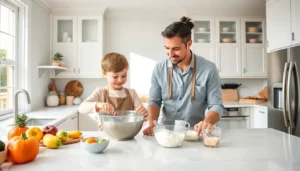
ToggleA cooking with children guide opens the door to quality time, skill-building, and memorable moments in the kitchen. Kids who cook learn math, science, and life skills while having fun. Parents gain a hands-on way to bond with their children and teach healthy eating habits.
This guide covers everything families need to start cooking together. From age-appropriate tasks to safety tips and easy recipes, each section provides practical advice. Whether a child is two or twelve, there’s a kitchen role waiting for them. The goal is simple: make cooking with children enjoyable, safe, and educational for everyone involved.
Key Takeaways
- Cooking with children builds essential life skills like independence, confidence, and the ability to follow instructions from start to finish.
- Match kitchen tasks to your child’s age—toddlers can wash vegetables and stir, while tweens can follow full recipes and use the oven.
- Kids who help prepare meals are more likely to try new foods and eat more fruits and vegetables.
- Always supervise actively, teach proper knife techniques, and establish clear kitchen safety rules before cooking begins.
- Start with simple, no-cook or low-cook recipes like energy balls, smoothies, or personal pizzas to build confidence.
- Embrace the mess, ask engaging questions, and celebrate effort over perfection to make cooking with children enjoyable for everyone.
Benefits of Cooking With Kids
Cooking with children delivers benefits that extend far beyond the kitchen. Here’s what families can expect when they bring kids into meal preparation.
Builds Life Skills
Children who cook develop independence and confidence. They learn to follow instructions, measure ingredients, and complete tasks from start to finish. These skills transfer to assignments, chores, and future responsibilities.
Improves Eating Habits
Kids are more likely to try foods they’ve helped prepare. A child who stirs the salad or sprinkles cheese on pasta feels ownership over the meal. Studies show that children who cook at home eat more fruits and vegetables than those who don’t.
Teaches Academic Concepts
Cooking with children naturally introduces math and science. Measuring cups teach fractions. Watching bread rise demonstrates chemical reactions. Reading recipes builds vocabulary and comprehension skills.
Strengthens Family Bonds
Time in the kitchen creates lasting memories. Conversations flow more easily when hands stay busy. Cooking with children becomes a tradition that kids remember well into adulthood.
Encourages Creativity
The kitchen offers a space for experimentation. Kids can suggest ingredient swaps, decorate cookies, or invent their own sandwich combinations. This creative freedom builds problem-solving abilities.
Age-Appropriate Kitchen Tasks
A good cooking with children guide matches tasks to developmental stages. Here’s what kids can handle at different ages.
Ages 2-3: Little Helpers
Toddlers love to participate. They can wash vegetables, tear lettuce, stir cold ingredients, and pour pre-measured items into bowls. Keep them away from heat and sharp tools.
Ages 4-5: Growing Skills
Preschoolers can handle more. They’re ready to mash bananas, spread soft butter, cut soft foods with plastic knives, and crack eggs (with supervision). They can also help set the table.
Ages 6-8: Real Responsibilities
School-age children can measure ingredients independently, use a vegetable peeler, operate a hand mixer, and read simple recipes. With guidance, they can use the microwave and help with stove-top tasks.
Ages 9-12: Junior Chefs
Tweens are ready to cook with minimal supervision. They can follow recipes from start to finish, use sharp knives with proper technique, operate the oven, and plan simple meals. This age group benefits from cooking entire dishes on their own.
Teenagers: Independent Cooks
Teens can cook full meals for the family. They should learn to meal plan, grocery shop on a budget, and clean up after themselves. Cooking with children at this stage prepares them for living independently.
Essential Safety Tips for Young Cooks
Safety comes first when cooking with children. These guidelines keep the experience positive for everyone.
Establish Kitchen Rules
Set clear expectations before cooking begins. Rules might include: always wash hands first, never touch the stove without permission, and walk (don’t run) in the kitchen. Post these rules where kids can see them.
Supervise Actively
Stay present during all cooking activities. Even older children need an adult nearby when using heat or sharp objects. Active supervision means watching, not scrolling through a phone.
Teach Knife Safety
When children are ready for knives, teach the “claw grip” for holding food. Start with butter knives, then progress to serrated knives, and finally to chef’s knives. Always cut on a stable surface.
Handle Heat Carefully
Teach kids that steam, boiling water, and hot pans cause burns. Use back burners when possible. Turn pot handles inward. Provide oven mitts that fit small hands.
Prevent Cross-Contamination
Explain that raw meat requires separate cutting boards. Wash hands after touching raw proteins. This cooking with children guide emphasizes food safety as a core skill.
Create a Kid-Friendly Setup
Provide a sturdy step stool so children can reach counters safely. Keep heavy items and sharp tools out of reach until needed. A clutter-free workspace reduces accidents.
Easy Recipes to Start With
The best recipes for cooking with children are simple, forgiving, and fun. Here are some crowd-pleasers to try.
No-Bake Energy Balls
Kids love rolling these into balls. Mix oats, peanut butter, honey, and chocolate chips. Refrigerate until firm. No heat required, making this perfect for young cooks.
Personal Pizzas
Use English muffins, pita bread, or pre-made dough as the base. Let children spread sauce, sprinkle cheese, and add their favorite toppings. Adults handle the oven.
Smoothies
Blenders fascinate kids. Let them add frozen fruit, yogurt, and milk. They can push the button (with supervision) and pour into cups. Smoothies teach measurement and encourage fruit consumption.
Ants on a Log
This classic snack requires no cooking. Children spread peanut butter on celery sticks and place raisins on top. It builds fine motor skills and creates a healthy snack.
Pancakes
Older children can mix batter and flip pancakes with guidance. Younger kids can stir ingredients and add blueberries. Pancakes work for breakfast-for-dinner nights when time allows.
Fruit Salad
Kids practice cutting skills on soft fruits like bananas, strawberries, and grapes (cut lengthwise for safety). They can squeeze orange juice on top to prevent browning.
Making Cooking Time Educational and Enjoyable
A cooking with children guide wouldn’t be complete without tips for maximizing learning and fun.
Embrace the Mess
Flour will spill. Eggs might drop. Accepting this reality in advance reduces stress. Keep cleaning supplies nearby and involve children in cleanup, it’s part of cooking.
Ask Questions
Turn cooking into a conversation. “What do you think will happen when we add baking soda?” “How many quarter cups make one cup?” Questions keep children engaged and thinking.
Connect Food to Origins
Talk about where ingredients come from. Discuss how farmers grow tomatoes or how maple syrup is made. This context builds appreciation for food and the people who produce it.
Celebrate Effort, Not Perfection
Lopsided cookies still taste good. Praise the process rather than the outcome. Kids who feel successful will want to cook again.
Start Small
Don’t attempt a three-course dinner on the first try. Begin with one simple recipe. Build skills gradually. Cooking with children works best when expectations match abilities.
Let Kids Lead
As children gain confidence, let them choose recipes and direct the process. This ownership increases engagement and builds decision-making skills.
Use Cookbooks for Kids
Many cookbooks are written specifically for young chefs. These feature pictures, simple language, and kid-approved recipes. A dedicated cookbook makes children feel like real cooks.