

Table of Contents
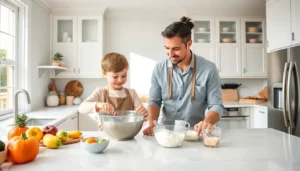
ToggleCooking with children examples range from simple snack prep to full meal projects that build real skills. Getting kids into the kitchen creates opportunities for learning, bonding, and developing healthy eating habits. Parents and caregivers often wonder where to start, what tasks are safe, which recipes work best, and how to keep the experience fun rather than frustrating. This guide covers practical cooking with children examples organized by age, along with safety tips that make kitchen time enjoyable for everyone involved.
Key Takeaways
- Cooking with children examples—from fruit kabobs to homemade pizza—build fine motor skills, math concepts, and healthy eating habits.
- Match kitchen tasks to your child’s age: toddlers can wash and stir, while older kids can follow recipes and use the stovetop with supervision.
- Kids who cook at home eat more fruits and vegetables and develop greater confidence by contributing to family meals.
- Simple, hands-on recipes like smoothies, quesadillas, and no-bake energy balls deliver quick results that keep children engaged.
- Create a safe cooking environment with kid-friendly tools, clear rules about hot surfaces, and realistic expectations for mess.
- Focus on the experience over perfection—praise effort, give meaningful tasks, and build lasting memories together in the kitchen.
Benefits of Cooking With Kids
Cooking with children delivers benefits that extend far beyond the kitchen. Kids who help prepare meals develop fine motor skills through activities like stirring, pouring, and measuring. They also practice math concepts, fractions become real when cutting a recipe in half or measuring three-quarters of a cup.
The educational value is significant. Children learn about nutrition when they see ingredients come together. A 2020 study from the Journal of Nutrition Education and Behavior found that kids who cook at home eat more fruits and vegetables than those who don’t participate in meal preparation.
Cooking with children also builds confidence. Completing a dish from start to finish gives kids a sense of accomplishment. They take pride in contributing to family meals and often become more willing to try new foods they’ve helped create.
Beyond skills, cooking with children strengthens family connections. The kitchen becomes a space for conversation, storytelling, and shared experiences. These moments create lasting memories while teaching practical life skills that children carry into adulthood.
Age-Appropriate Cooking Tasks
Successful cooking with children examples match tasks to developmental stages. Here’s what kids can handle at different ages:
Toddlers (Ages 2-3)
Toddlers can wash vegetables, tear lettuce, and stir ingredients in a bowl. They enjoy pouring pre-measured ingredients and pressing cookie cutters into dough. Keep tasks short, attention spans are limited at this age.
Preschoolers (Ages 4-5)
Preschoolers can spread butter or peanut butter, mash soft foods like bananas, and help measure dry ingredients. They can crack eggs with supervision and use kid-safe knives to cut soft items like bananas or cheese.
Early Elementary (Ages 6-8)
Children in this range can read simple recipes, measure ingredients independently, and use a vegetable peeler. They can operate a hand mixer with guidance and help assemble sandwiches or wraps.
Older Kids (Ages 9-12)
Older children can follow recipes with minimal help. They can use the stovetop under supervision, operate small appliances, and begin learning knife skills with appropriate tools. Many kids this age can plan and prepare simple meals on their own.
Matching cooking with children examples to their abilities keeps frustration low and engagement high. Start simple and add complexity as skills develop.
Simple Recipes to Make With Children
The best cooking with children examples involve hands-on tasks and quick results. These recipes work well for beginners:
Fruit Kabobs
Kids thread strawberries, grapes, melon chunks, and banana slices onto wooden skewers. This recipe requires no cooking and lets children practice fine motor skills while creating a healthy snack.
Homemade Pizza
Start with pre-made dough or flatbreads. Children spread sauce, sprinkle cheese, and add their favorite toppings. This cooking with children example teaches sequencing and lets kids personalize their creation.
Smoothies
Children measure frozen fruit, yogurt, and juice, then watch the blender transform ingredients into a drink. Smoothies offer instant gratification and introduce concepts like ratios and proportions.
No-Bake Energy Balls
Mix oats, honey, peanut butter, and chocolate chips in a bowl. Kids roll the mixture into balls, a tactile, mess-friendly activity. These store well and make great snacks for lunchboxes.
Quesadillas
Children layer cheese and fillings between tortillas. An adult handles the stovetop portion, but kids manage assembly. This quick recipe produces satisfying results in minutes.
Banana Pancakes
Mash two bananas and mix with two eggs for a simple batter. Children handle the mashing and mixing while adults manage the griddle. These pancakes are naturally sweet and protein-rich.
Each of these cooking with children examples offers multiple hands-on steps while keeping complexity manageable.
Tips for a Safe and Enjoyable Experience
Safety and patience make cooking with children examples successful. Follow these guidelines:
Set up the space. Clear counters of unnecessary items. Use a sturdy step stool so children can reach work surfaces comfortably. Gather all ingredients before starting.
Establish kitchen rules. Explain that stoves and ovens are adult-only zones until children develop proper skills. Teach kids to keep handles turned inward and to never touch hot surfaces.
Use appropriate tools. Invest in kid-friendly equipment, nylon knives cut soft foods safely, small measuring cups fit little hands, and child-sized aprons protect clothing.
Expect mess. Flour will spill. Eggs might end up on the counter. Cooking with children examples rarely go perfectly, and that’s okay. Cleanup can be part of the learning process.
Go slow. Recipes take longer with young helpers. Build extra time into cooking sessions and focus on the experience rather than efficiency.
Give real responsibility. Children sense when they’re given busywork versus actual tasks. Let them contribute meaningfully, even if it means imperfect results.
Praise effort over outcome. The lumpy pancake or oddly shaped cookie still represents a child’s genuine work. Celebrate participation and improvement.
These approaches transform cooking with children from a chore into an activity everyone anticipates.